Seabound celebrates completion of first full-scale maritime carbon capture units and €1.5 million European Space Agency award at event in Doncaster
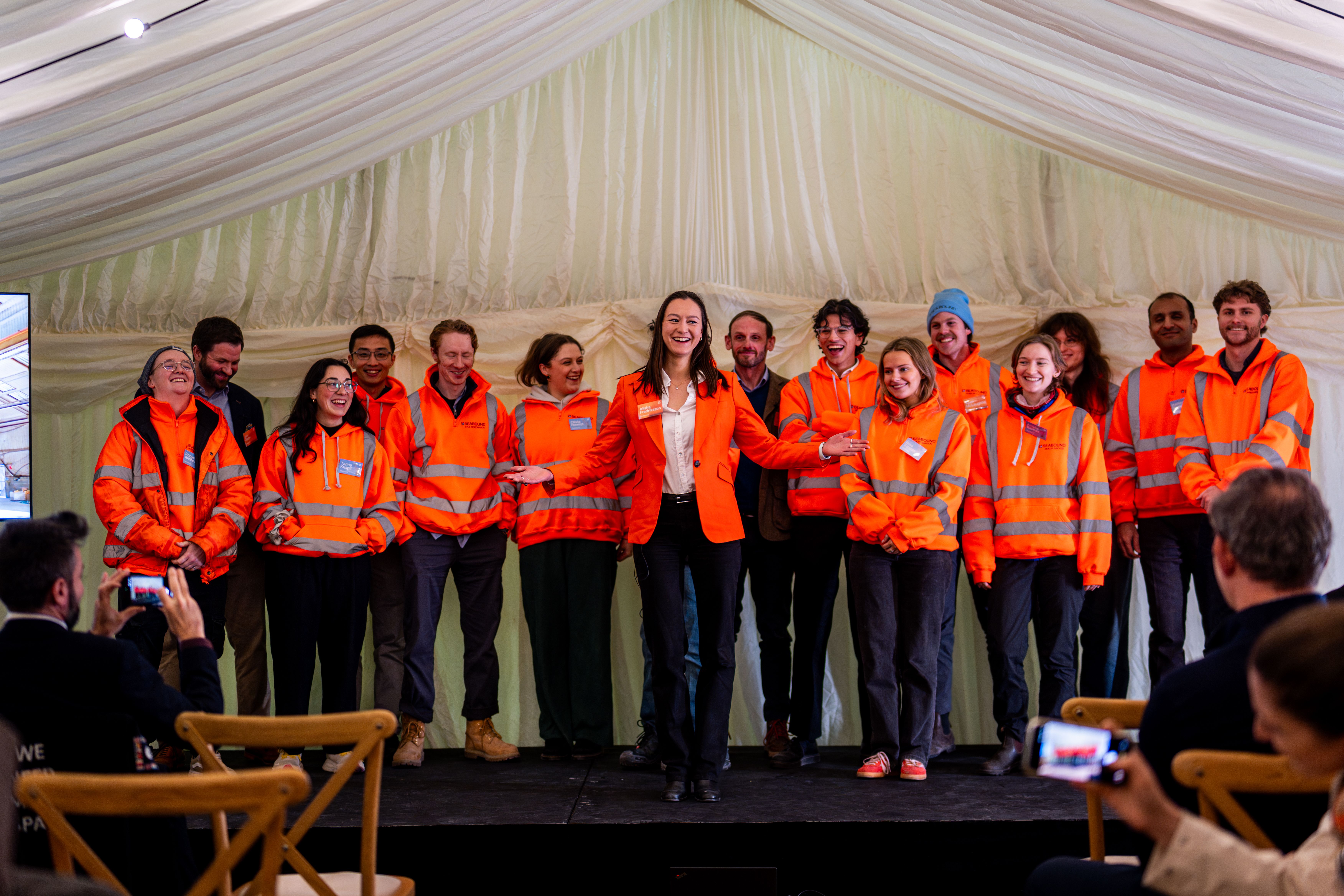
The ‘Seabound Sendoff’ brought together 70+ customers, partners, investors, suppliers, and local government officials.
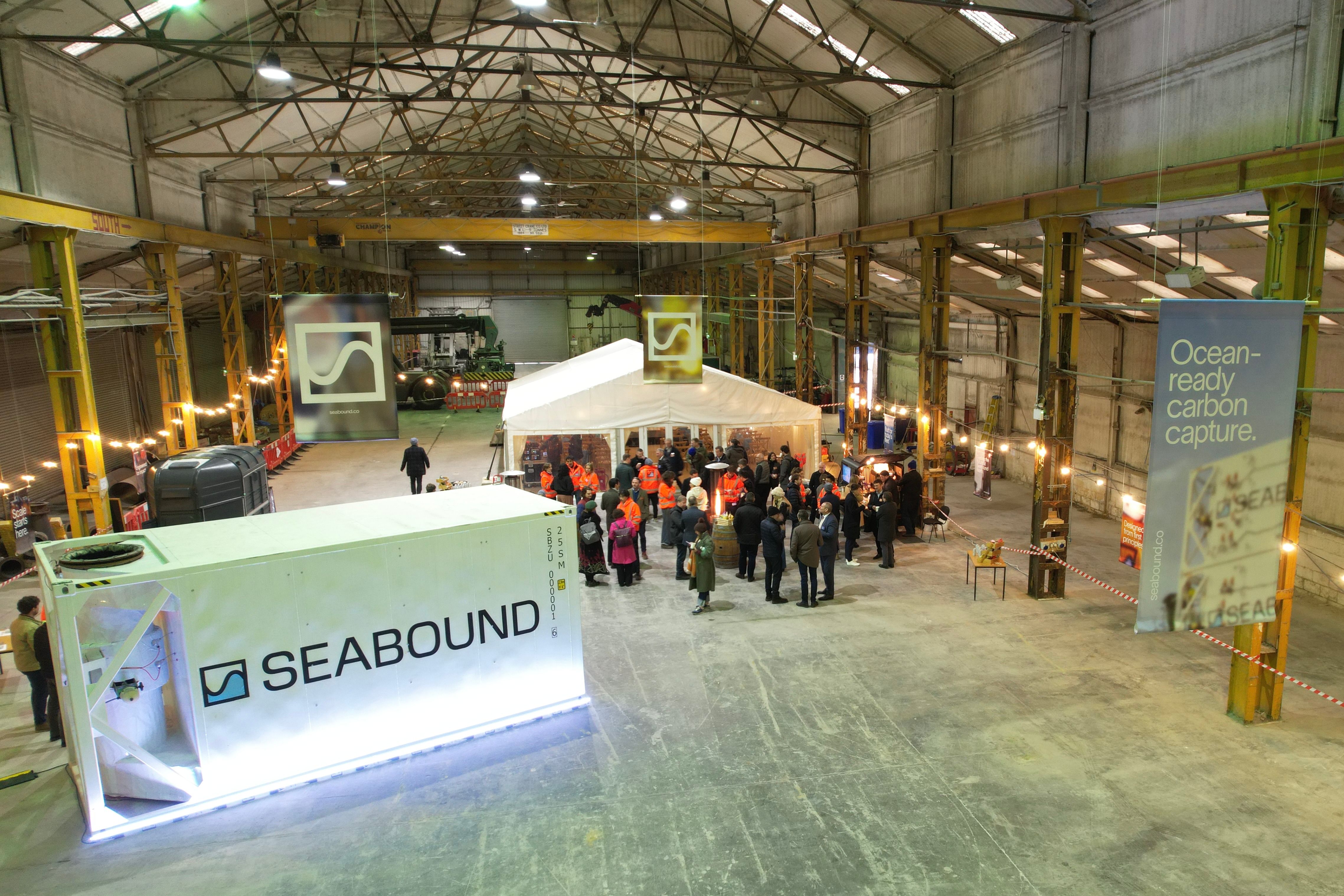
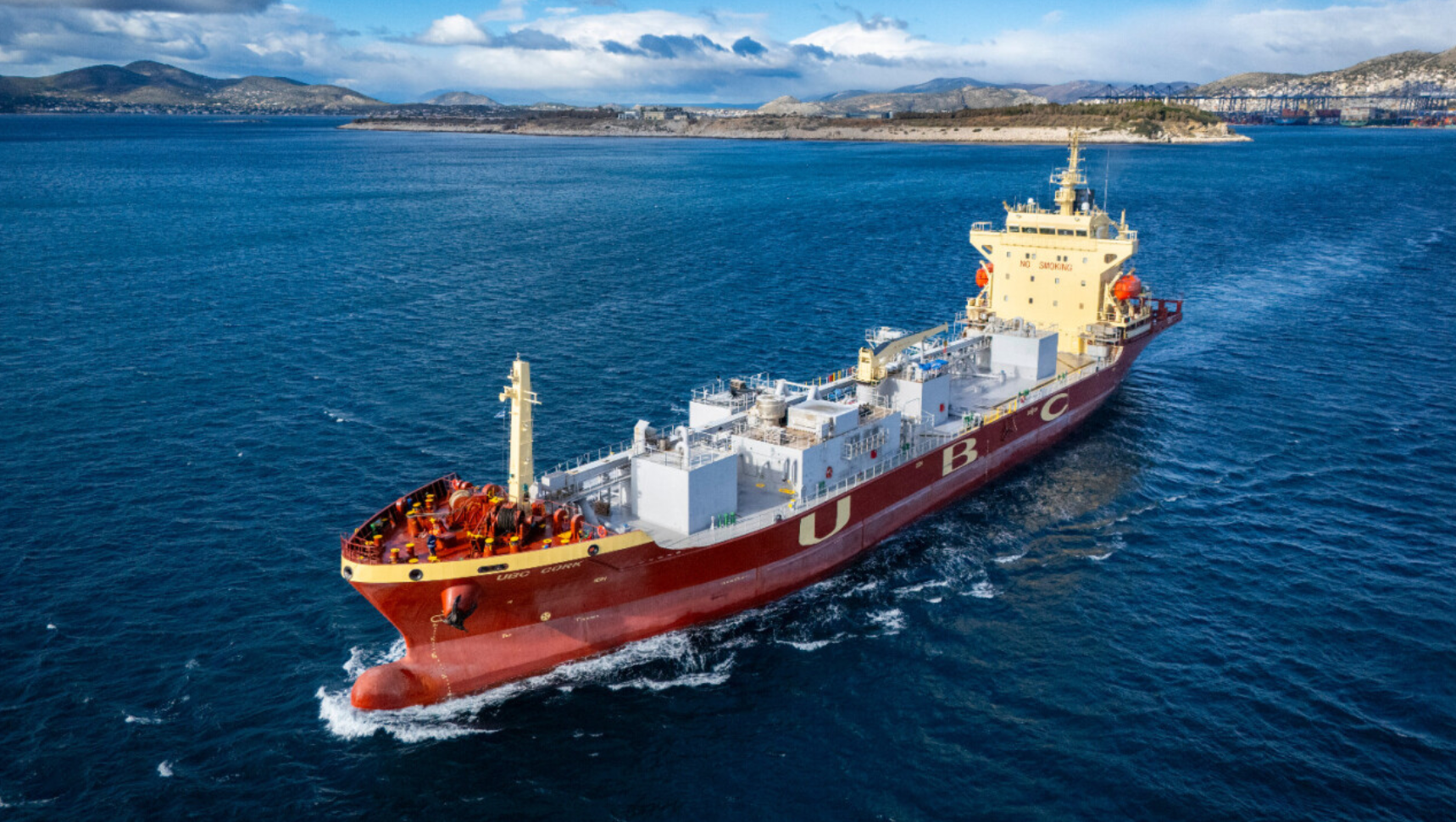
Doncaster, U.K. — February 3, 2026 — Seabound, a UK-based leader in marine carbon capture, marked a major commercial milestone last week with the completion of its first full-scale carbon capture systems during an event at the company’s research and development facility in Doncaster. Following successful land-based testing using a large diesel generator, the systems are set to be deployed aboard the UBC Cork, a 5,700 gross tonne (GT) cement-carrying vessel.
Among the key announcements was a new partnership and €1.5 million in funding from the European Space Agency to support Seabound’s scale-up and commercial deployments. The company also announced a partnership with thyssenkrupp Polysius to produce green lime, enabling scalable and truly net-positive onboard carbon capture for global shipping.
“The maritime industry relies on space-based data and satellite communications every day,” said Nil Angli, Space Solutions Maritime Lead at the European Space Agency. “We are proud to partner with early-stage companies as they move from innovation to commercialisation, and Seabound is a model of what our Business Applications and Space Solutions programme is designed to support.”

The event, known as the “Seabound Sendoff”, brought together more than 70 attendees from local government, the maritime sector, lime manufacturing, and the investor community. Seabound staff led tours of the facility and walkthroughs of the company’s carbon capture technology, followed by a formal programme announcing new partnerships and product developments.
Seabound’s commercial milestone marks a significant step forward for maritime shipping, an industry responsible for approximately three percent of global greenhouse gas emissions and long regarded as one of the most difficult sectors to decarbonise. Motivated by the urgency of this challenge, Seabound was founded in late 2021 with the goal of bringing viable marine carbon capture to market. Since then, the company has completed two world-first pilot projects, raised more than £8.5 million in combined equity and grant funding, and won two rounds of the UK Government’s Clean Maritime Demonstration Competition.
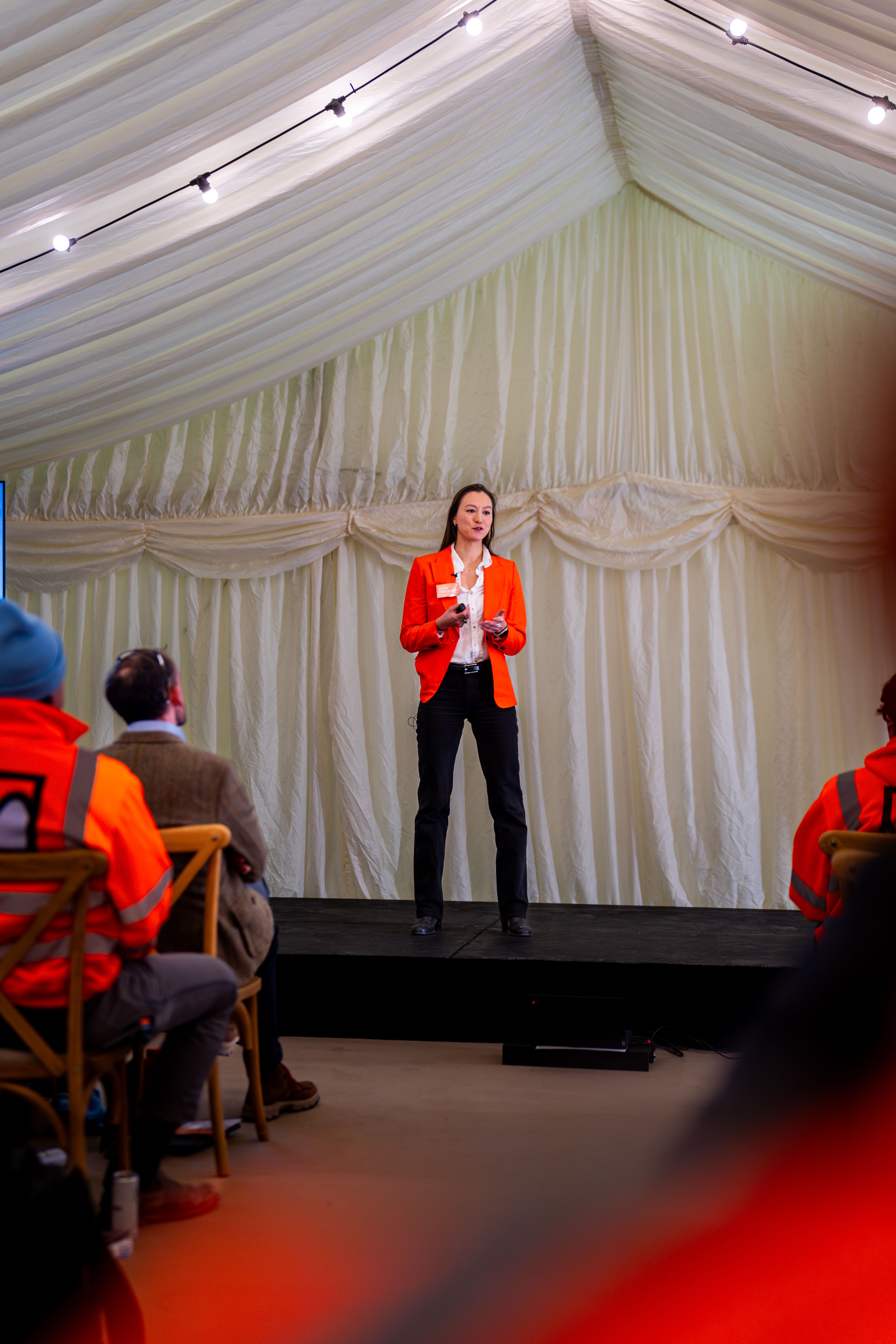
“This moment represents years of engineering, testing, and collaboration finally coming together,” said Alisha Fredriksson, CEO and Co-founder of Seabound. “These systems will be the first of many over the years to come as we scale to even broader impact.”
Following successful pilots with Lomar Shipping, lomarlabs and Hapag-Lloyd, as well as with STAX Engineering and Wallenius Wilhelmsen, Seabound has now transitioned from pilots to commercial deployment. The initial full-scale systems will serve UBC Cork, a ship owned by Hartmann Group, managed by InterMaritime Shipmanagement, and chartered to global cement leader Heidelberg Materials.

“Seabound offers Heidelberg Materials a route to Scope 3 emissions reductions that was previously unattainable for us,” said Lars Erik Marcussen, Project Manager, Logistics at Heidelberg Materials Northern Europe. “We now have a practical pathway to cutting our emissions in transport, and can move closer to delivering our net-zero concrete product.”

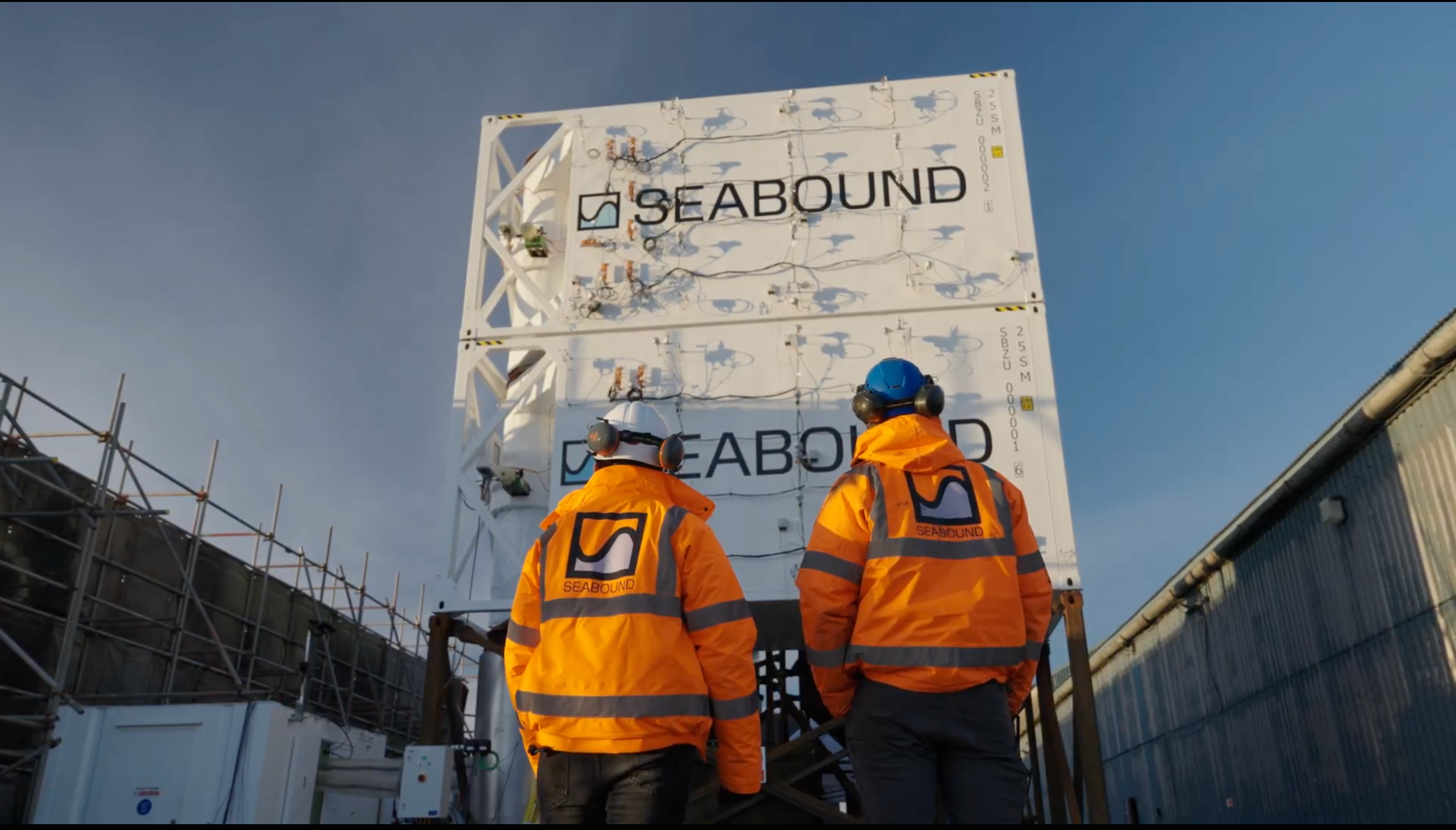
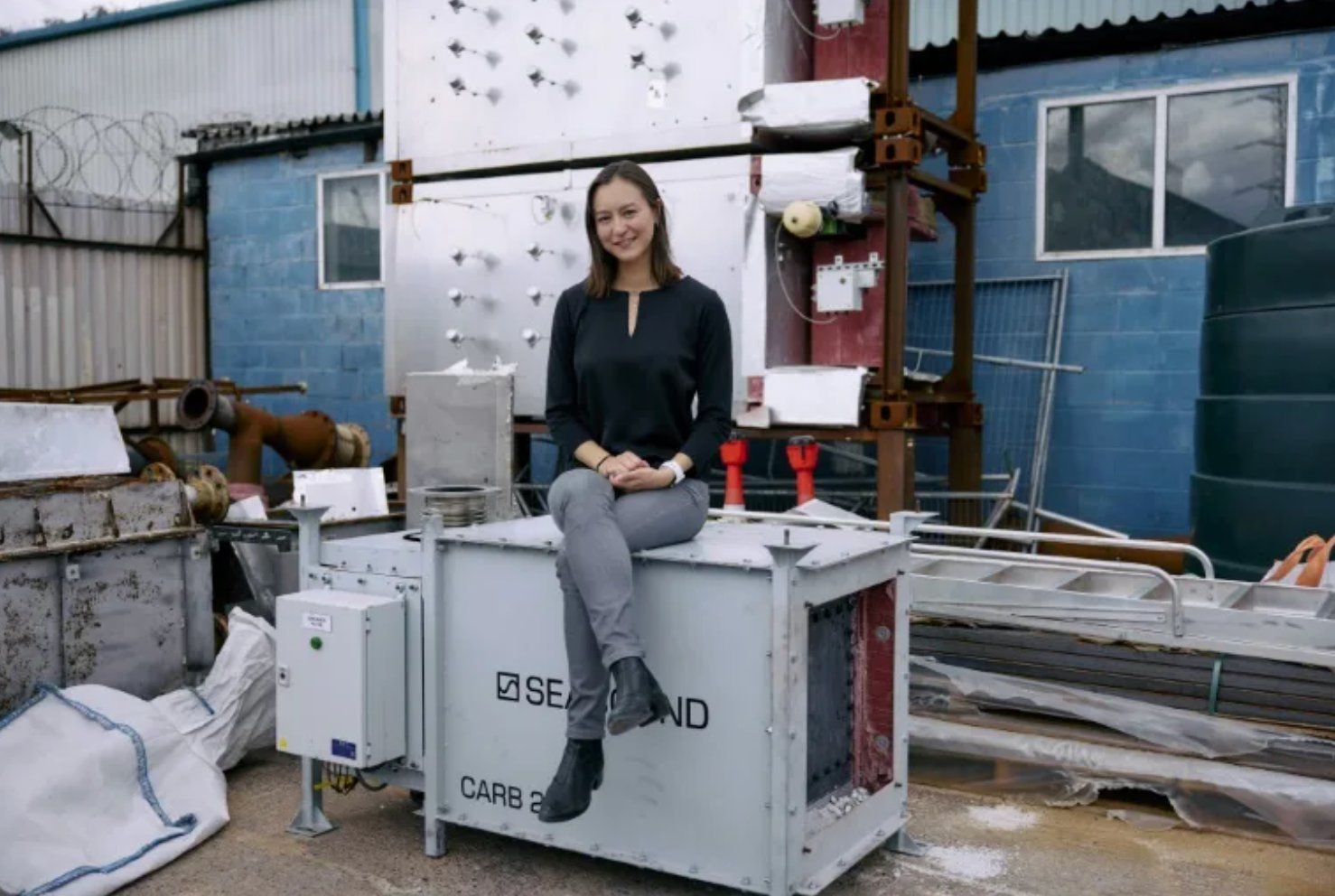
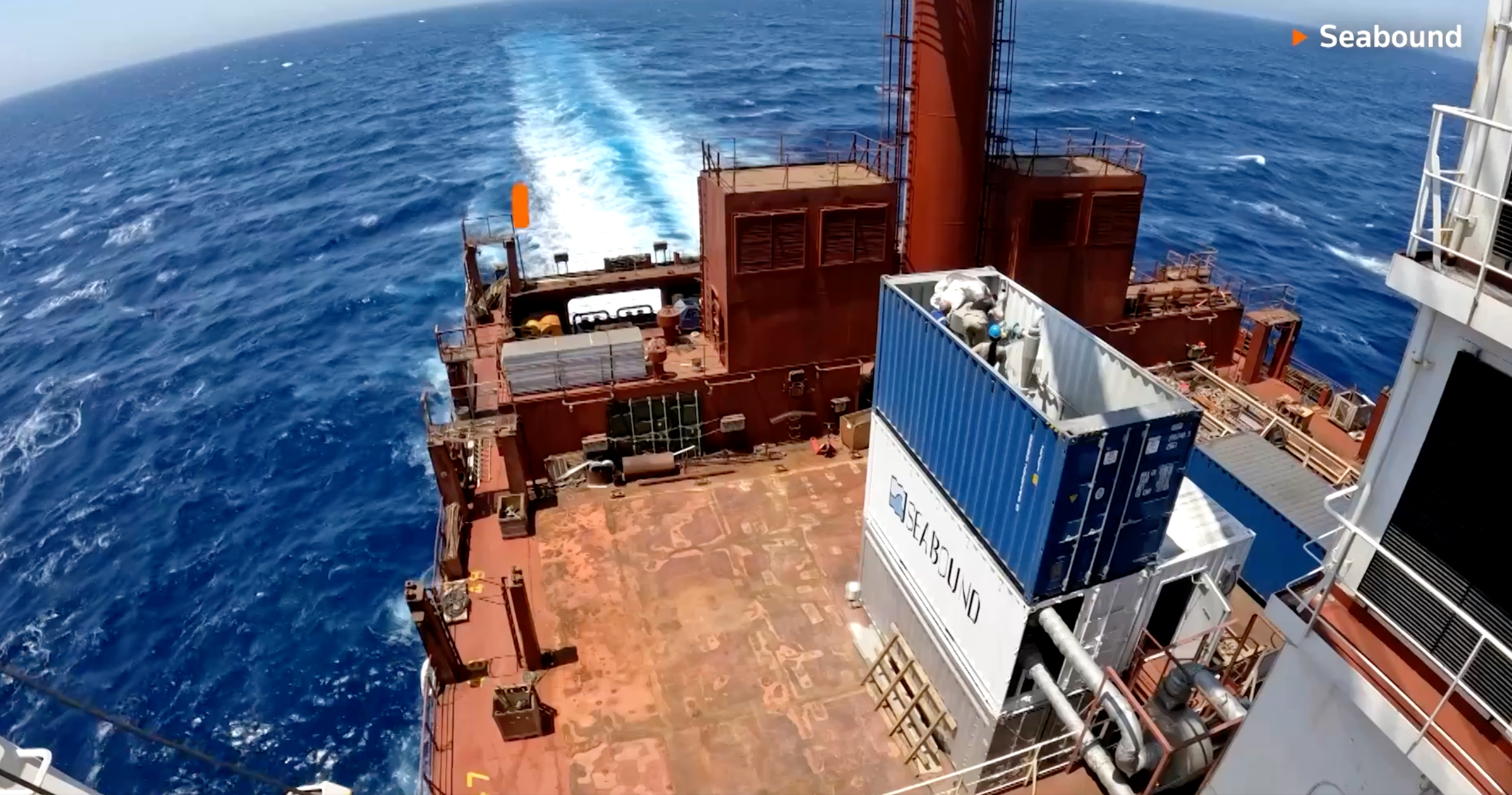
During the event, Seabound demonstrated its “Seabound Containers” — modular onboard carbon capture systems in the size of 20-foot shipping containers that trap CO₂ from a ship engine’s exhaust gas. In addition to CO₂, the system removes sulphur emissions, helping shipowners comply with tightening environmental regulations, reduce fuel costs, and meet growing customer demand for low-carbon shipping. The company also unveiled its second-generation Seabound Containers, incorporating refinements from customer feedback to enable horizontal versus vertical arrangements on vessels along with improvements in capture efficiency and manufacturability.
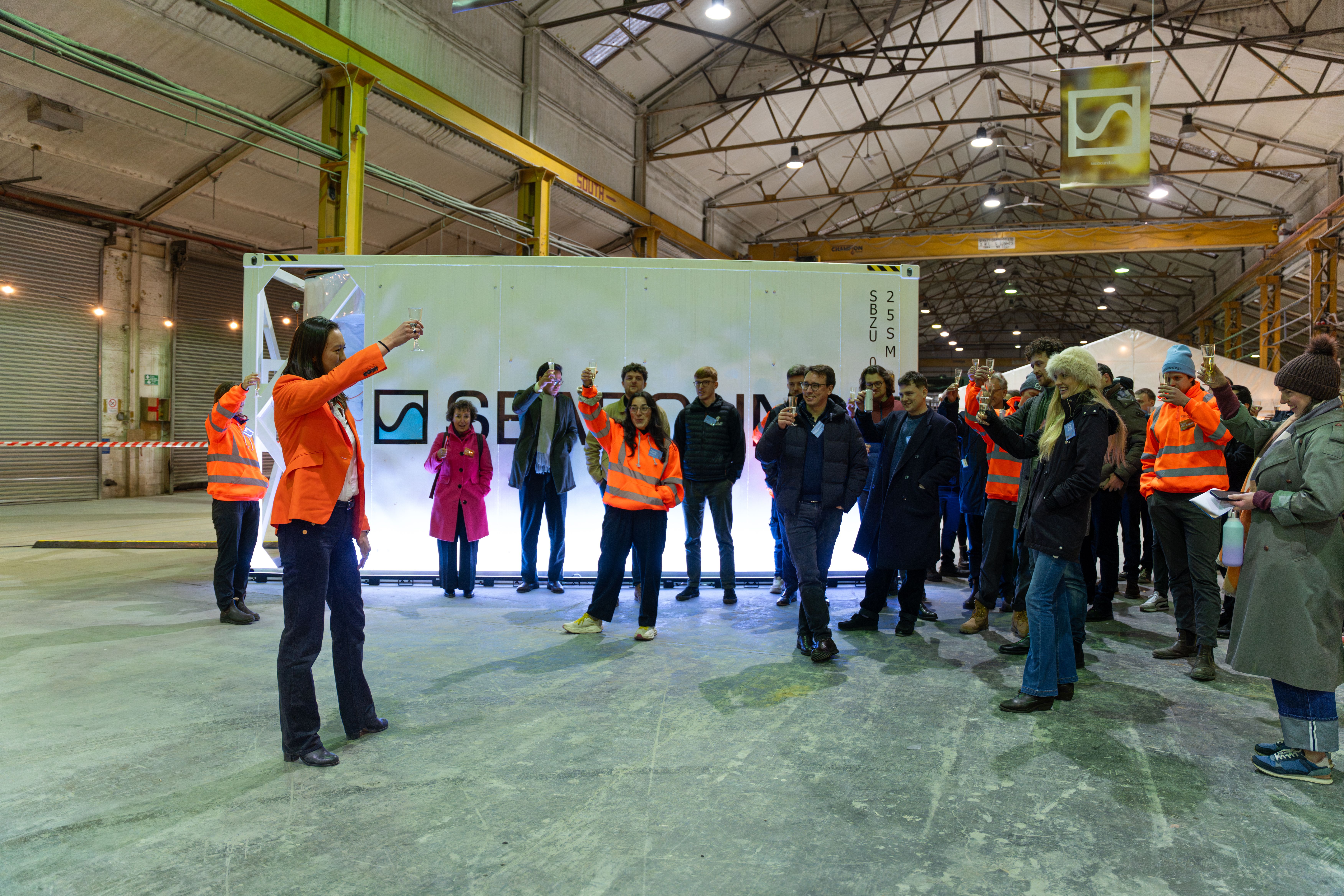
Seabound’s Doncaster R&D facility, known as “Seabound North”, received funding from the UK Government's Clean Maritime Demonstration Competition in 2025 and served as the company’s hub for system development, testing, and integration. The location provides employment for highly-skilled engineering and manufacturing roles, supporting Seabound’s continued innovation and growth.
Seabound’s long-term mission is to capture 100 million tonnes of CO₂ annually by 2040, equivalent to roughly ten percent of global shipping emissions. The company is actively engaging shipowners, cargo owners, ports, and industrial partners to accelerate adoption and maximise impact across the sector. For more information visit www.seabound.co or contact press@seabound.co.
About Seabound
Seabound is an award-winning startup decarbonizing shipping by capturing CO₂ emissions directly onboard ships. Its modular carbon capture system removes CO₂ and sulphur from a ship’s engine exhaust — helping shipowners comply with new regulations, save money on fuel, and meet customer needs for green shipping.
Seabound’s investors include Lowercarbon Capital, Y Combinator, Eastern Pacific Shipping, Elemental Impact, and Collaborative Fund. Learn more at seabound.co.
About the Clean Maritime Demonstration Competition (CMDC)
This project is partially funded by UK Government through the UK Shipping Office for Reducing Emissions (UK SHORE) programme in the Department for Transport. UK SHORE has allocated over £230m since 2022 to over 247 projects, leveraging over £107m private investment. Innovate UK, part of UK Research and Innovation, is the main delivery partner for UK SHORE interventions, including the flagship CMDC and ZEVI competitions.
Maritime is a key sector which needs to find innovative solutions to its carbon footprint in order to contribute to the UK’s decarbonisation agenda. The UK SHORE programme is a key part of that work, supporting research and development to unlock an industry-led transition towards Net Zero and deliver economic growth, in line with the Government’s missions and the Plan for Change.
The UK SHORE programme consists of multiple headline projects situated all across the UK from Belfast and Orkney to Cornwall and Portsmouth and all points in between – showcasing the exceptional, highly-skilled work being delivered throughout the UK economy. UK SHORE is supporting 500 organisations, unlocking investment potential in UK technologies, at UK ports and at UK shipyards.
Media Contact
David Ganske
DG+ for Seabound
pr@dgplusagency.com
+1-424-209-2394
Related
The Maritime Executive: Seabound Lands a Novel Carbon-Capture Partnership With a Cement Plant
Yahoo News: UK startup looks to cut shipping's carbon emissions
ZDF: Cargo ship captures its own CO2 emissions
New Scientist: A container ship just tested a system to capture its own CO2 emissions
Ship Technology: Seabound partners with Lomarlabs to develop carbon reduction tech
The Engineer: lomarlabs teams up with Seabound on maritime decarbonisation

Carbon Herald: Lomar Partners With Seabound For CO2 Capture On Vessels

My Climate Journey: Startup Series Seabound